
The Zenfox Blog
AI Insights for Professionals
Practical guides, honest comparisons, and use cases for professionals who want to work smarter with AI — not just talk to it.


Your Model Provider Can Cut Your Head Off Tomorrow Morning
On April 4, 2026, Anthropic quietly ended Claude subscription support for third-party agent harnesses like OpenClaw — overnight. Here's what happened, why it matters, and what it reveals about building on AI infrastructure you don't control.
Read more
The Future of Agentic AI Is an Interface You Already Know
The models are getting smarter. But the interface has never caught up with the capability. The future of agentic AI isn't a smarter chat box — it's the workspace you already know.
Read more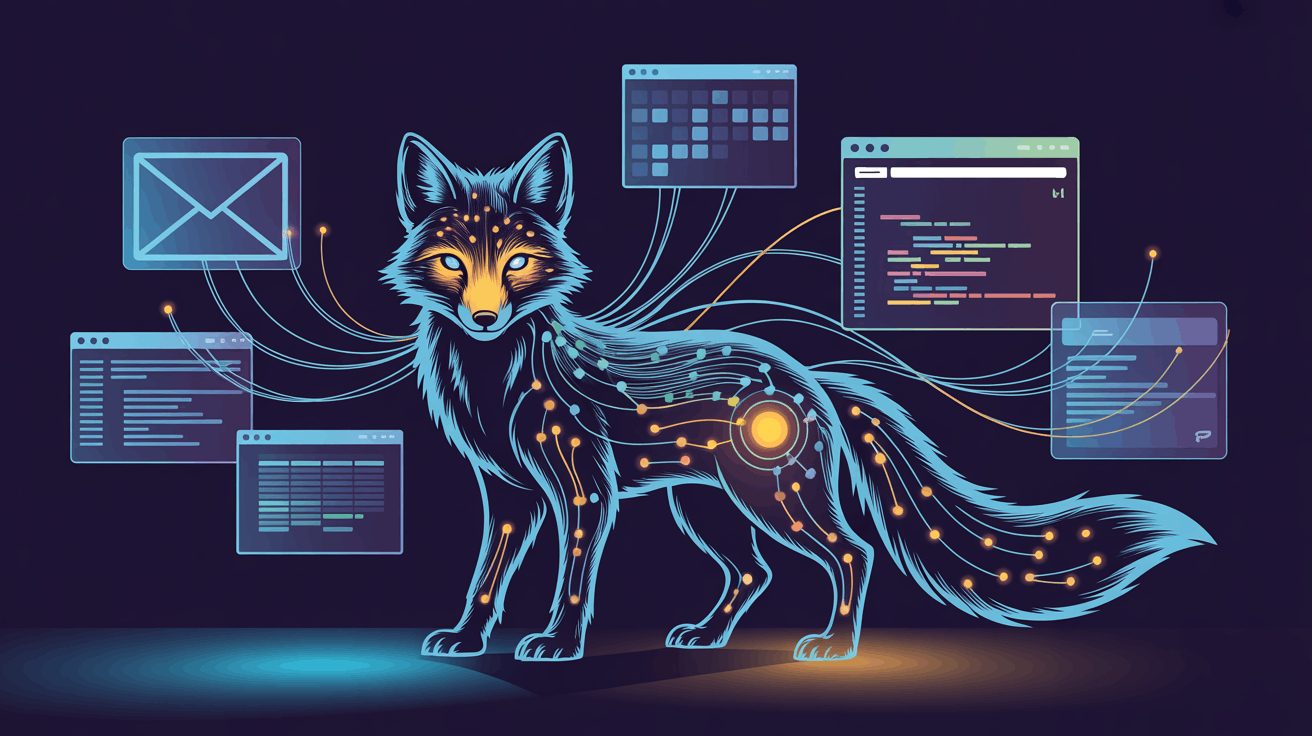
Introducing AI Workers: Zenfox Works for You
Zenfox can now run as a dedicated AI Worker with a specific role — working continuously in the background or deployed to complete a complex task. You stay in control without doing everything yourself.
Read more
Why Zenfox Is the Secure Alternative to OpenClaw
OpenClaw has become the fastest-growing AI agent of 2026 — and a massive security liability. Here's why Zenfox offers a safer, more capable alternative.
Read more
AGI Is Not About Creating Consciousness: Why Real-World Interaction Is the True Frontier of Artificial Intelligence
The path to AGI isn't about replicating human consciousness — it's about mastering the capabilities and real-world interactions that make intelligence practically useful.
Read more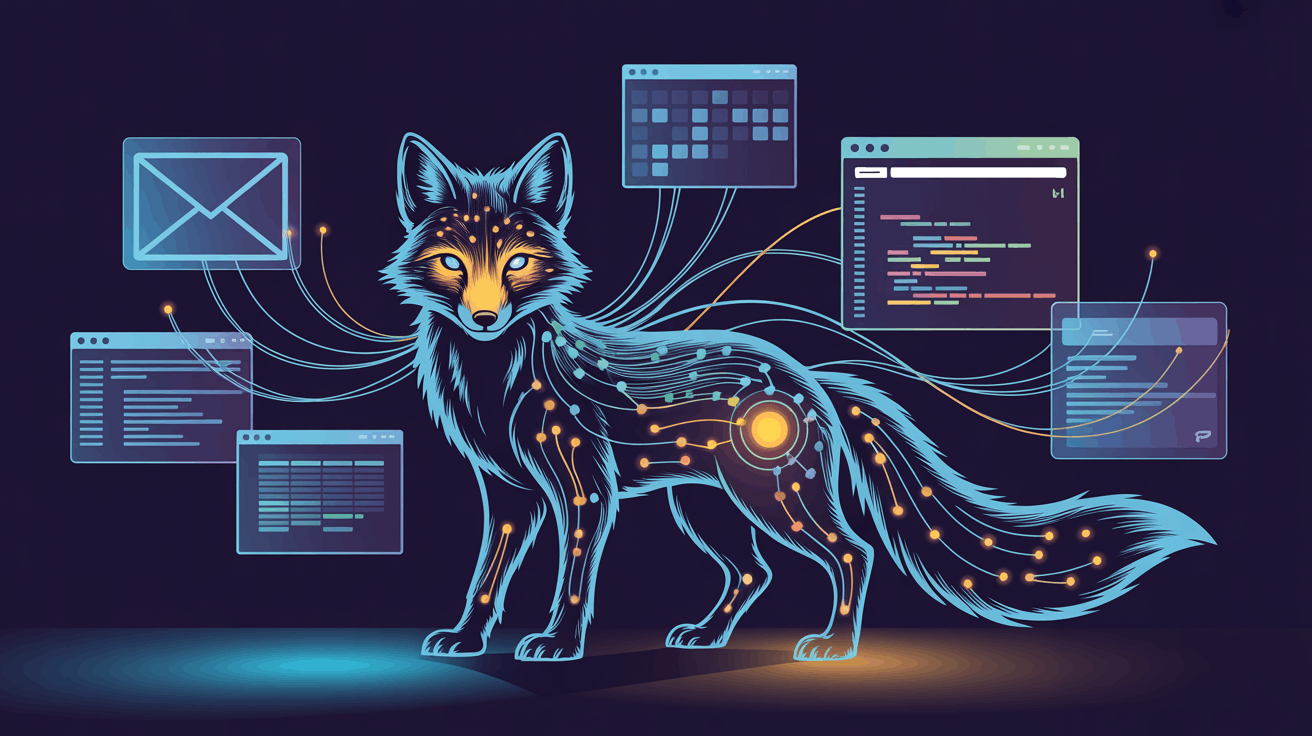
What Is an Autonomous AI Agent? A Complete Guide for 2026
An autonomous AI agent doesn't wait to be asked — it perceives, decides, and acts on its own. Here's how it works and why it matters for professionals.
Read more